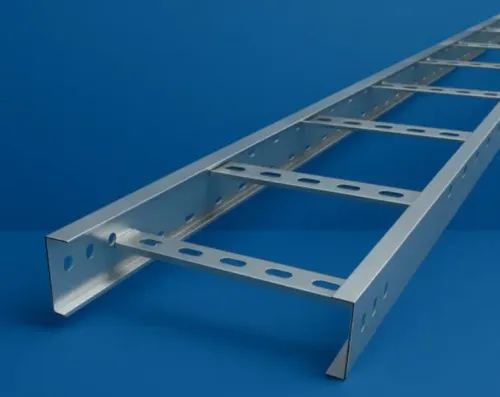


Electrical installations in factories, commercial buildings, data centres, hospitals, and infrastructure projects often involve hundreds of power and control cables. Without a structured routing system, these cables can become difficult to inspect, maintain, and expand. Perforated cable trays offer a practical way to organise cable networks while supporting ventilation and accessibility.
A perforated cable tray is a metal cable-support system with evenly spaced openings along its base and sides. These perforations reduce unnecessary material weight, allow air to circulate around cables, and provide convenient points for fastening cables.
Where Perforated Cable Trays Are Commonly Used
Perforated trays are suitable for installations carrying light-duty and medium-duty cables. Their typical applications include:
- Industrial control panels and machinery
- Commercial electrical distribution systems
- Data and communication networks
- Hospitals and institutional buildings
- Warehouses and logistics facilities
- Manufacturing plants
- Metro, railway, and infrastructure projects
In Pune, these trays are frequently required for automotive units, engineering facilities, IT parks, pharmaceutical plants, and commercial developments. The tray specification may vary according to the cable load, installation environment, route length, and exposure conditions.
Why Tray Ventilation Matters
Power cables generate heat when electrical current passes through them. Closely packed cables without adequate airflow may experience increased operating temperatures. A perforated base allows air movement around the cables and helps heat dissipate more effectively.
Ventilation does not remove the need for correct cable sizing and spacing. It supports a properly planned system by reducing heat accumulation and making cable routes easier to manage.
The openings also help prevent excessive dust and moisture from settling inside the tray. This can be particularly useful in industrial environments where cable systems run through production areas and service corridors.
Materials and Finishes Used in Manufacturing
A reliable perforated cable tray manufacturer selects materials and surface treatments according to the application. Common options include:
- Pre-galvanised steel for protected indoor installations
- Hot-dip galvanised steel for corrosive and outdoor conditions
- Powder-coated steel for additional surface protection
- Stainless steel for hygienic and demanding environments
- Aluminium for lightweight cable-routing requirements
Devansh Enterprises manufactures cable-management products for different industrial and commercial applications in Pune. Selection should be based on the project’s load requirements, environmental exposure, span length, and installation conditions rather than appearance alone.
Important Tray Specifications
Engineers and contractors should review several factors before finalising a perforated tray:
- Width and depth
The internal dimensions must accommodate the current cable volume while leaving space for orderly placement.
- Sheet thickness
Material thickness affects tray strength and its ability to resist deformation under load.
- Support spacing
Longer distances between supports may require a stronger tray construction.
- Surface treatment
The finish should match the moisture, chemical exposure, and corrosion conditions at the site.
- Accessories
Bends, tees, reducers, couplers, covers, and support brackets should be compatible with the main tray.
Planning for Future Cable Additions
One common mistake is selecting a tray that only fits the cables needed during initial installation. Industrial and commercial facilities often add equipment, networking systems, or automation controls over time.
Providing a reasonable spare capacity can reduce the need to install a second tray later. The spare allowance should still comply with project standards and cable-loading requirements.
A well-planned perforated cable tray system improves cable organisation, inspection access, airflow, and maintenance efficiency. For projects across Pune and Maharashtra, selecting the correct dimensions, material, finish, and accessory system is essential for achieving dependable cable support throughout the installation’s working life.