Not every cable needs the same type of support. A route carrying lightweight data or communication cables can have very different requirements from one carrying large power cables. Comparing solutions from a Basket Tray Manufacturer with conventional perforated or ladder trays can help project teams choose a system that fits the actual cable application.
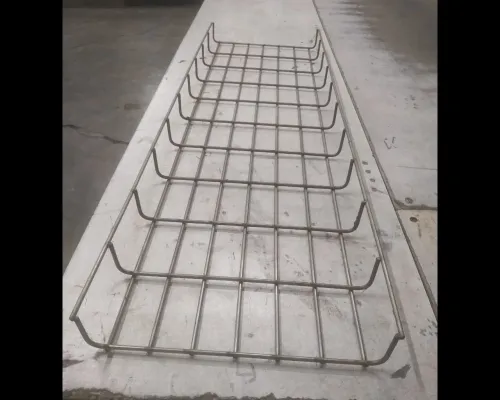
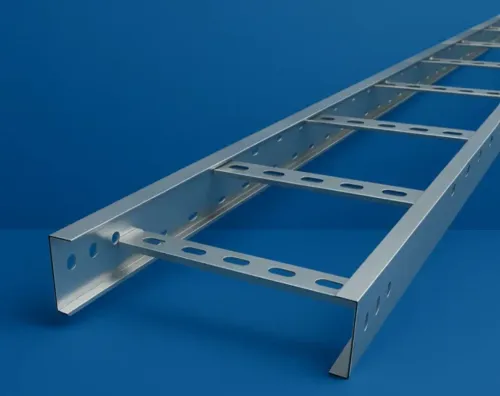
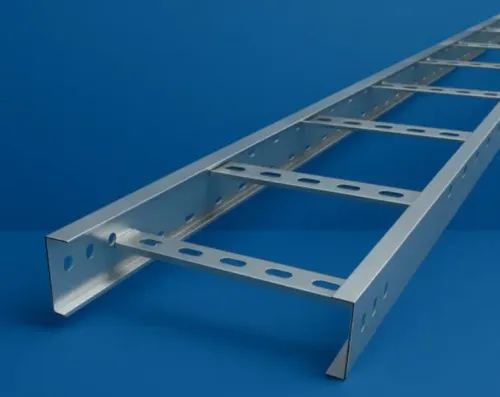
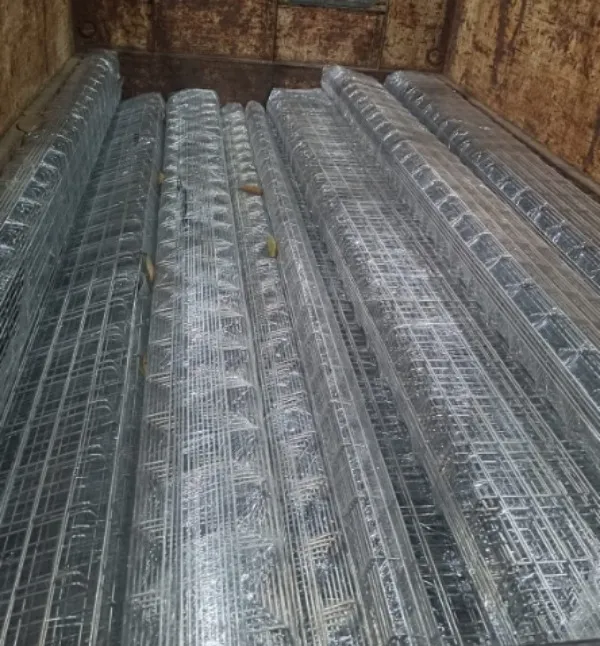
Basket trays use an open wire-based structure, while traditional metal trays commonly use formed sheet construction or ladder-style rails and rungs.
Where Basket Trays Have an Advantage
The open construction makes basket trays easy to inspect and can simplify cable entry or exit at various points along a route.
They are frequently associated with structured cabling and lighter cable-management applications where flexible routing is valuable.
Potential applications include:
- Data cabling
- Communication networks
- IT infrastructure
- Control wiring
- Selected instrumentation cables
- Server and equipment areas
- Building automation networks
The exact suitability still depends on cable loading, tray dimensions, support spacing, and project standards.
When Conventional Trays May Be More Suitable
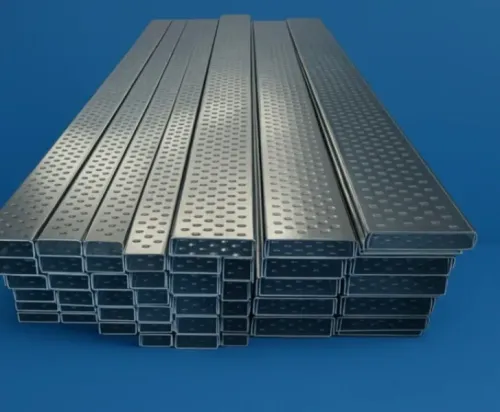
Ladder trays are commonly considered when substantial power cables need strong support and ventilation. Perforated trays offer a more continuous supporting surface and can be useful for a variety of power, control, and instrumentation routes.
This means the decision should not simply be basket tray versus metal tray. It should start with the cables.
Ask what the route will carry, how heavy the cable load will be, how cables need to enter and leave the pathway, and what environmental conditions the installation will face.
Compare the Practical Requirements
Before selecting a system, evaluate:
Cable type: Lightweight communication cables and heavy power cables create very different loading conditions.
Accessibility: Consider how often cables may need to be added, removed, inspected, or rerouted.
Ventilation: Open designs can provide substantial airflow around cables.
Mechanical support: Tray construction and support spacing should correspond to expected loading.
Environment: Indoor, outdoor, humid, dusty, or corrosive conditions can affect material and finish selection.
Route complexity: Frequent branching or cable drops can make flexibility especially important.
Selection for Pune Installations
Pune's mix of IT facilities, manufacturing plants, automation projects, commercial properties, warehouses, and institutional developments means both basket and conventional cable tray systems can have legitimate applications.
Devansh Enterprises works with cable-management requirements across these different project environments.
When approaching a Basket Tray Manufacturer, provide cable details and route information rather than requesting a tray solely by width. The manufacturer can then understand whether the proposed configuration corresponds to the installation requirement.
The most effective cable-support system is not necessarily the heaviest or most elaborate option. It is the one whose construction, capacity, accessibility, and environmental suitability correspond closely to the cables it is expected to support.
Keywords