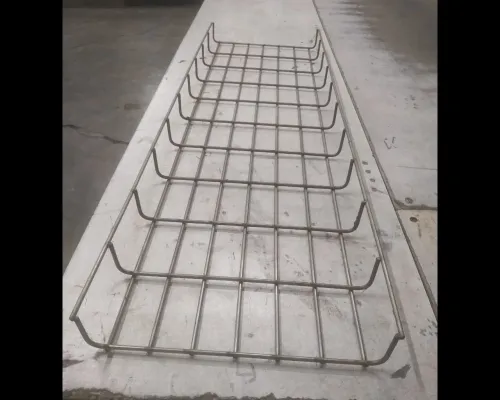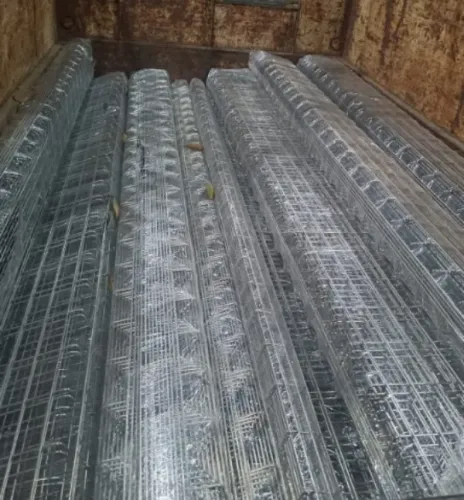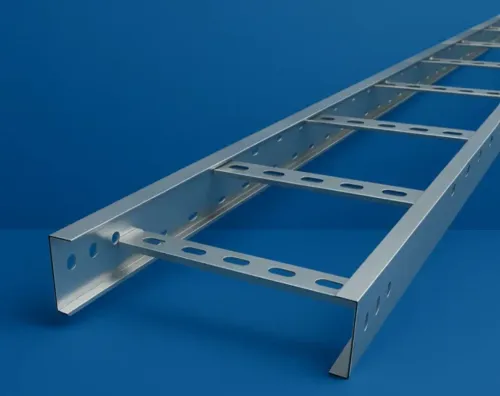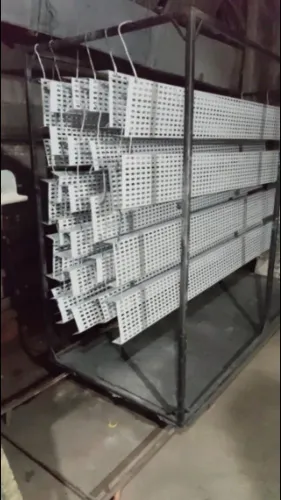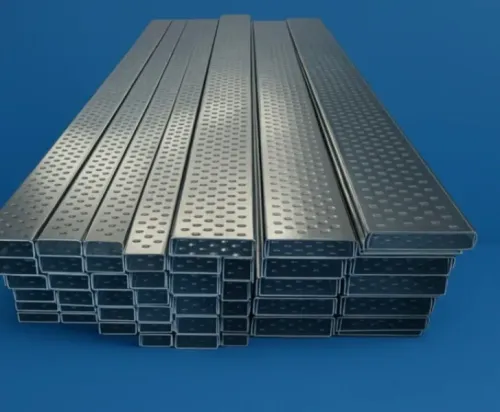
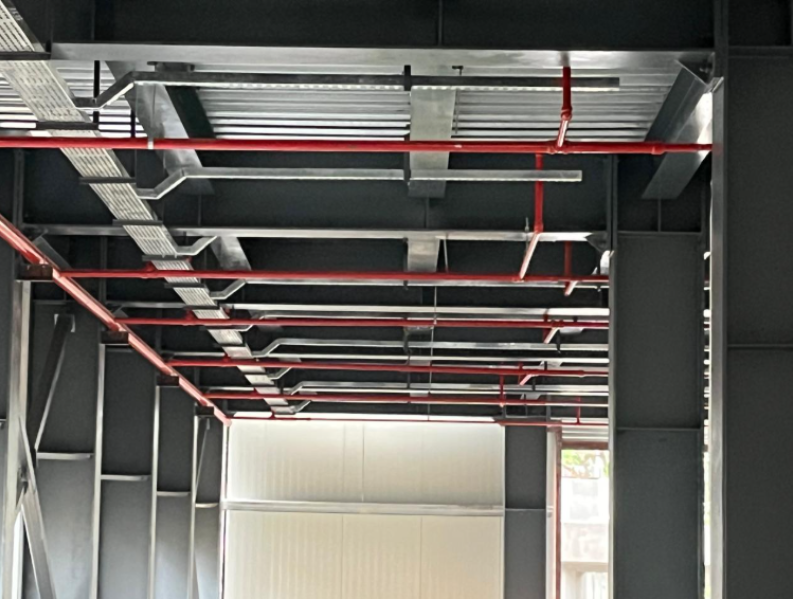
Cable trays installed in challenging environments need more than appropriate dimensions. Their exposure conditions can influence how the metal surface needs to be protected over time. For this reason, projects sometimes specify products from a Hot Dip Perforated Type Cable Tray Manufacturer where corrosion protection is an important consideration.
Hot-dip galvanizing generally involves coating fabricated steel with zinc through an immersion process. The resulting zinc layer provides protection to the underlying steel, making this treatment relevant to many industrial and outdoor applications.
When Hot Dip Galvanizing Is Considered
Environmental conditions should drive the decision.
Hot-dip galvanized perforated trays may be considered for installations involving:
- Outdoor cable routes
- Industrial facilities
- Utility infrastructure
- Areas exposed to moisture
- Selected processing environments
- Infrastructure projects
- Service areas with demanding operating conditions
This does not mean one coating specification is automatically appropriate for every harsh environment. Chemical exposure, atmospheric conditions, project life, maintenance expectations, and engineering specifications still need individual assessment.
Avoid Selecting Finish Without Assessing the Site
One common procurement mistake is treating all galvanized products as equivalent.
Different protective treatments and specifications can provide different characteristics. Buyers should therefore confirm exactly what the project documents require instead of using broad terms interchangeably.
It is also important to evaluate the base tray itself.
The tray needs suitable:
- Width
- Side-wall height
- Construction
- Material thickness where specified
- Load capacity
- Support arrangement
- Accessories
- Route configuration
A protective coating cannot compensate for a tray that is structurally unsuitable for the intended cable load.
Plan Fabrication and Accessories Together
Perforated tray networks can include bends, tees, reducers, covers, joining components, and supporting arrangements. If these parts are sourced without coordination, inconsistencies can make site assembly more difficult.
Project teams should therefore prepare a complete quantity schedule rather than focusing only on straight tray lengths.
This is especially valuable for industrial projects around Pune, where electrical routes may pass through indoor production areas, utility spaces, service structures, and exposed sections within the same facility.
Devansh Enterprises handles cable tray requirements for projects across Pune and Maharashtra where fabrication and surface protection need to align with application conditions.
When requesting a quotation from a Hot Dip Perforated Type Cable Tray Manufacturer, include the tray sizes, quantities, material requirements, required finish specification, accessories, and installation environment.
Procurement based on a defined specification makes technical comparison easier and reduces the possibility of receiving a product that matches the requested dimensions but not the environmental requirements of the project.
Keywords