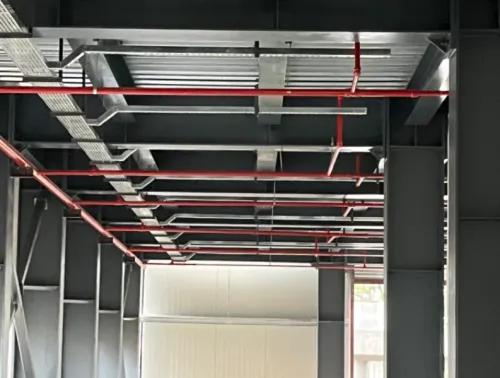
Cable routes in data centres, offices, industrial control rooms, and commercial facilities rarely remain unchanged. Additional devices, upgraded network systems, and new production equipment can increase cabling requirements over time. Basket trays provide the flexibility needed to accommodate these changes without replacing the entire cable-support system.
Devansh Enterprises manufactures basket tray systems for structured cable management in industrial and commercial projects. Their open-wire construction makes them particularly useful for installations where visibility, airflow, and easy route modification are important.
Why Basket Trays Suit Frequently Changing Installations
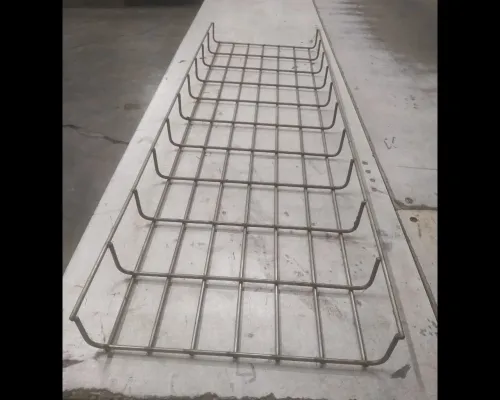
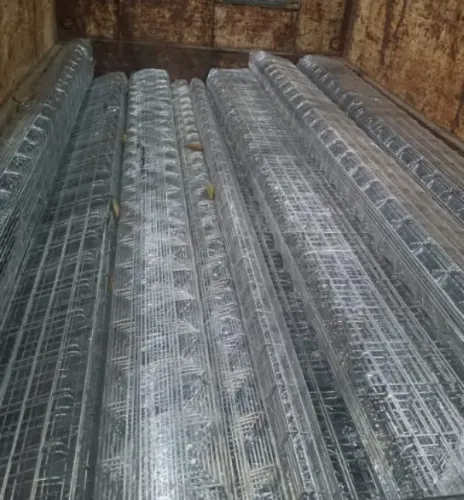
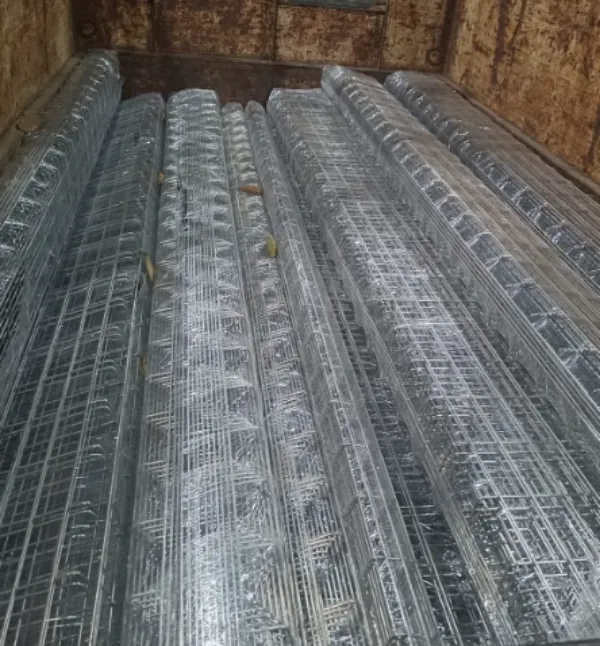
Basket trays are manufactured from interconnected steel wires that create a strong grid structure. Unlike fully enclosed cable-routing systems, they allow cables to enter and exit at different points along the route.
Their main practical advantages include:
- Easy inspection of installed cables
- Good airflow around communication wiring
- Convenient cable additions and removals
- Lightweight construction
- Simple on-site route changes
- Reduced accumulation of dust
- Support for horizontal and vertical cabling
These features make basket trays useful in server rooms, IT offices, telecom facilities, CCTV networks, building-management systems, and industrial automation projects.
Basket Tray Applications Across Pune
Commercial and industrial developments in Pune frequently require adaptable cable pathways. IT parks in Hinjawadi and Kharadi may use basket trays for structured data cabling, while engineering units in Bhosari and Chakan may install them for instrumentation and control networks.
They can also be used in:
- Educational campuses
- Hospitals and diagnostic facilities
- Shopping centres
- Warehouses
- Food-processing units
- Pharmaceutical facilities
- Corporate office buildings
The selected material and finish should suit the environmental conditions at the installation site.
Basket Trays Compared With Perforated Trays
Basket trays and perforated trays both provide accessible cable support, but they serve different requirements.
A basket tray is lighter and easier to modify at the site. It is commonly preferred for network, data, communication, and light control cables. Installers can create bends and junctions from straight mesh sections using suitable cutting and joining accessories.
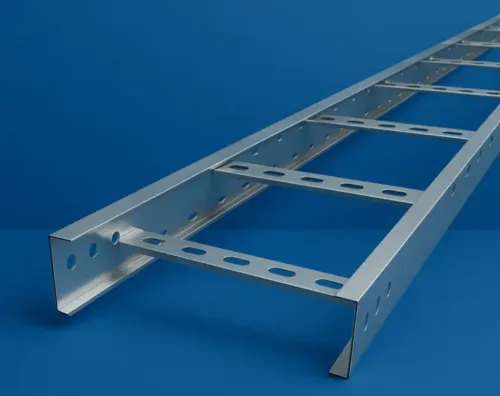
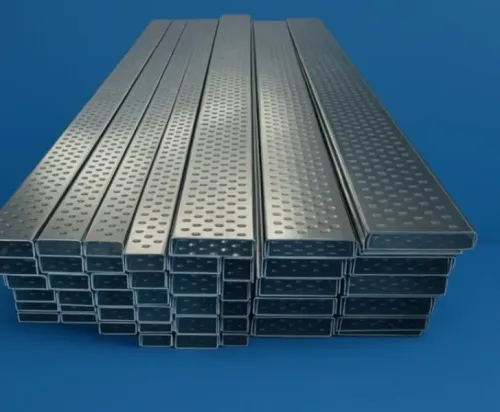
A perforated tray provides a continuous sheet-metal base. It offers more support beneath cables and is generally suitable for power, control, and instrumentation applications requiring a broader supporting surface.
The better choice depends on cable weight, route complexity, environmental exposure, and maintenance needs.
Points to Check Before Placing an Order
Buyers should evaluate more than tray width and length. Important factors include:
- Wire diameter
The wire gauge influences the strength and load-bearing capacity of the tray.
- Tray dimensions
Width and depth should accommodate present cables along with planned expansion.
- Support distance
Wider spacing between brackets can increase stress on the tray.
- Surface finish
Electro-galvanised, hot-dip galvanised, powder-coated, and stainless-steel options suit different environments.
- Joining components
Couplers, brackets, clamps, and suspension hardware must be compatible with the tray.
- Cable sensitivity
Data and fibre cables require careful handling to maintain their bending radius and prevent compression.
A competent basket tray manufacturer should be able to manufacture consistent sections and matching accessories based on project drawings and quantities. When dimensions, load capacity, support spacing, and finish are evaluated together, basket trays can provide a clean and adaptable cable route that remains convenient throughout future system upgrades.
Keywords