Modern buildings and industrial facilities depend on extensive networks of data, communication, security, instrumentation, and control cables. These cable routes often change as equipment is relocated, workstations are added, and automation systems expand.
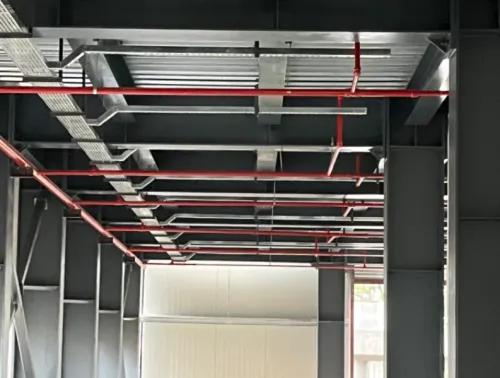
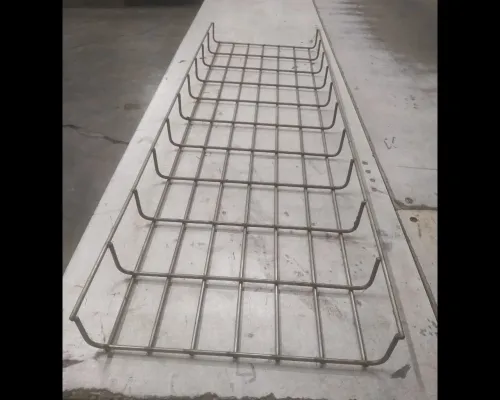
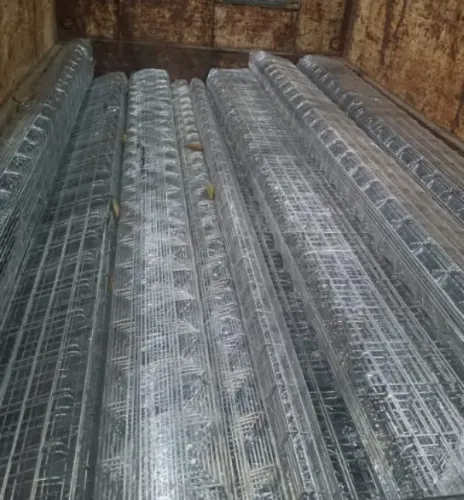
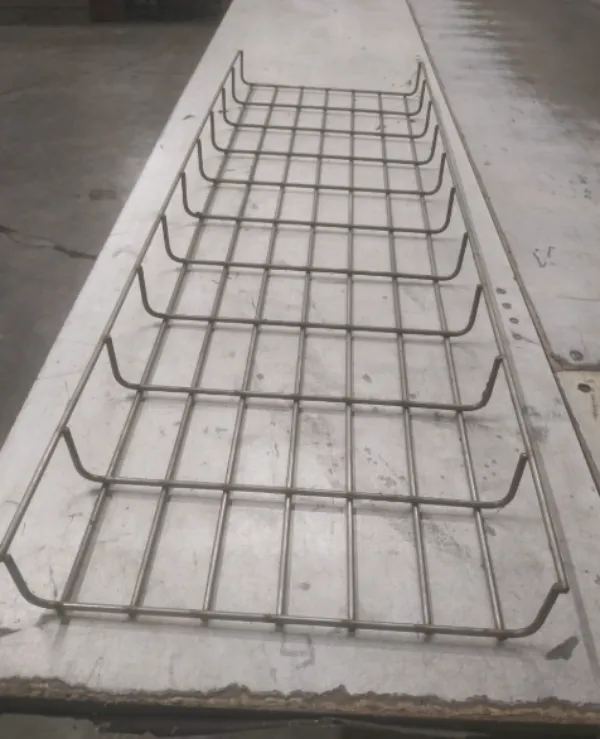
Wire mesh cable trays provide an adaptable routing solution for such environments. Made from welded steel wires arranged in an open grid, these trays are lightweight, ventilated, and relatively easy to modify at the installation site.
Common Wire Mesh Tray Applications
A wire mesh cable tray manufacturer may supply products for:
- Data centres and server rooms
- Office networking systems
- Telecom installations
- CCTV and access-control cabling
- Building management systems
- Industrial instrumentation cables
- Automation and control networks
- Retail and institutional facilities
Pune’s IT parks, engineering companies, commercial offices, educational campuses, and manufacturing units often require cable routes that can be modified without lengthy fabrication work.
Benefits of an Open-Grid Structure
The mesh construction gives installers clear visibility of the cables throughout the route. This makes it easier to trace a particular line, identify congestion, and inspect cable condition.
Other advantages include:
- Continuous airflow around cables
- Reduced accumulation of dust and debris
- Lower system weight
- Flexible route formation
- Convenient cable entry from multiple directions
- Easier additions during network expansion
The open format can also help prevent hidden cable congestion. Technicians can see when a tray is approaching its practical capacity and plan an additional route before overcrowding becomes a maintenance problem.
On-Site Route Adjustments
One of the most useful features of wire mesh trays is their adaptability. Straight sections can be cut and formed into bends, tees, and level changes using suitable tools and approved joining hardware.
Accurate cutting and joint finishing are essential. Exposed wire ends should not remain in contact with cable jackets because sharp edges can cause abrasion during installation or future movement.
Every modified section should maintain adequate strength. Excessive cutting may weaken the tray and reduce its ability to support cables safely.
Selecting the Right Tray Dimensions
Tray width and depth depend on the number and type of cables being installed. Overfilling the tray can make cable identification difficult and may restrict airflow.
Selection should consider:
- Current cable quantity
- Expected future expansion
- Cable bending radius
- Required separation between networks
- Weight of cables per metre
- Distance between supports
- Accessibility at junctions and equipment points
Devansh Enterprises supplies cable-management products for commercial and industrial projects across Pune. Wire mesh tray specifications can be aligned with the cable type, route layout, mounting arrangement, and environmental exposure.
Installation Practices That Improve Performance
Wire mesh trays should be mounted on properly spaced wall brackets, ceiling supports, floor stands, or suspended support systems. The support arrangement must account for both tray weight and installed cable load.
Installers should avoid placing power and sensitive data cables together unless suitable separation has been designed. Proper bonding and earthing practices must also be followed according to the project’s electrical requirements.
Cable ties, clips, and retaining accessories should hold cables securely without being overtightened. Excessive pressure can damage delicate communication cables and affect their performance.
Wire mesh cable trays provide a practical balance of flexibility, visibility, and ventilation. When correctly sized and installed, they make data and control cable networks easier to organise, inspect, modify, and expand across Pune’s fast-developing industrial and commercial facilities.
Keywords