Electrical cable-support systems installed in outdoor and industrial areas face moisture, airborne contaminants, temperature changes, and occasional chemical exposure. Standard untreated steel may begin to corrode under these conditions, weakening the tray and increasing maintenance requirements.
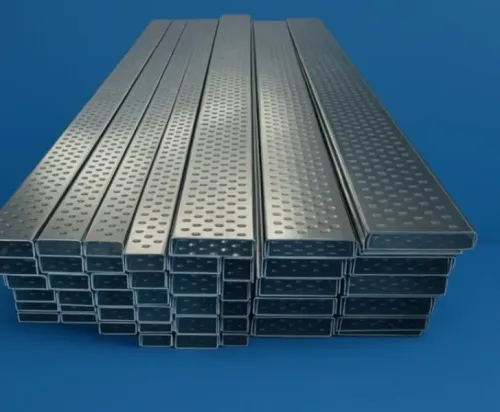
Devansh Enterprises manufactures hot-dip perforated cable trays for installations that require ventilation, continuous cable support, and enhanced corrosion protection. These trays combine a perforated sheet-metal design with a protective zinc coating.
Understanding Hot-Dip Galvanisation
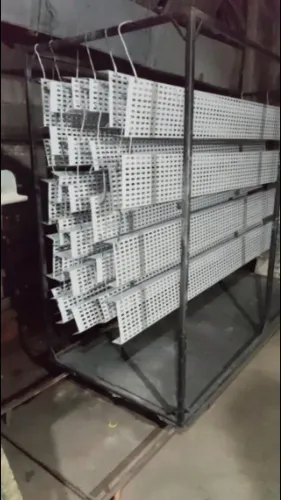
Hot-dip galvanisation involves immersing fabricated steel components in molten zinc after suitable surface preparation. The process forms bonded zinc-alloy layers over the steel, including exposed surfaces, edges, and many difficult-to-reach areas.
The zinc coating protects the base steel in two ways. It creates a physical barrier against environmental exposure and provides sacrificial protection when minor surface damage occurs.
Coating life can vary significantly according to:
- Zinc thickness
- Moisture levels
- Chemical exposure
- Airborne pollution
- Surface damage
- Drainage conditions
- Frequency of maintenance
The term hot-dip galvanised should not be treated as a universal guarantee against every corrosive environment. Site conditions must still be assessed carefully.
Industrial Uses Across Pune and Maharashtra
Hot-dip perforated cable trays are suitable for many exposed electrical routes in Pune and surrounding industrial regions. They are frequently considered for engineering plants, utility areas, warehouses, water-treatment facilities, rooftop services, and semi-open production zones.
Across Maharashtra, they may also be used in:
- Power-generation facilities
- Infrastructure projects
- Process industries
- Food and beverage plants
- Solar installations
- Outdoor service corridors
- Pumping stations
- Large manufacturing complexes
Highly corrosive chemical environments may require stainless steel or another specialised material after a detailed technical assessment.
Hot-Dip Trays Compared With Pre-Galvanised Trays
Pre-galvanised steel receives its zinc coating before the sheet is cut and fabricated. It generally provides a smooth appearance and is suitable for protected indoor environments.
Hot-dip galvanising is completed after fabrication. This allows the finished tray, including formed edges and welded areas, to receive zinc protection. It is therefore commonly preferred for outdoor and harsher operating conditions.
The decision should consider installation location, project life, maintenance access, and environmental exposure rather than purchase price alone.
Manufacturing Details That Need Attention
Hot-dip galvanising adds thickness to the finished product. Manufacturers must allow for this when producing holes, joints, and connection points.
Project teams should inspect:
- Consistency of the zinc coating
- Drainage from tray surfaces
- Condition of perforations and edges
- Alignment of coupler holes
- Compatibility of fasteners
- Fitment of bends and accessories
- Tray straightness after processing
Small zinc projections and rough areas should be controlled because they can damage cable insulation during pulling.
Building a Complete Protected System
Using hot-dip perforated trays with untreated accessories creates inconsistent protection. Couplers, bends, supports, covers, brackets, and fasteners should have a compatible finish wherever site conditions demand it.
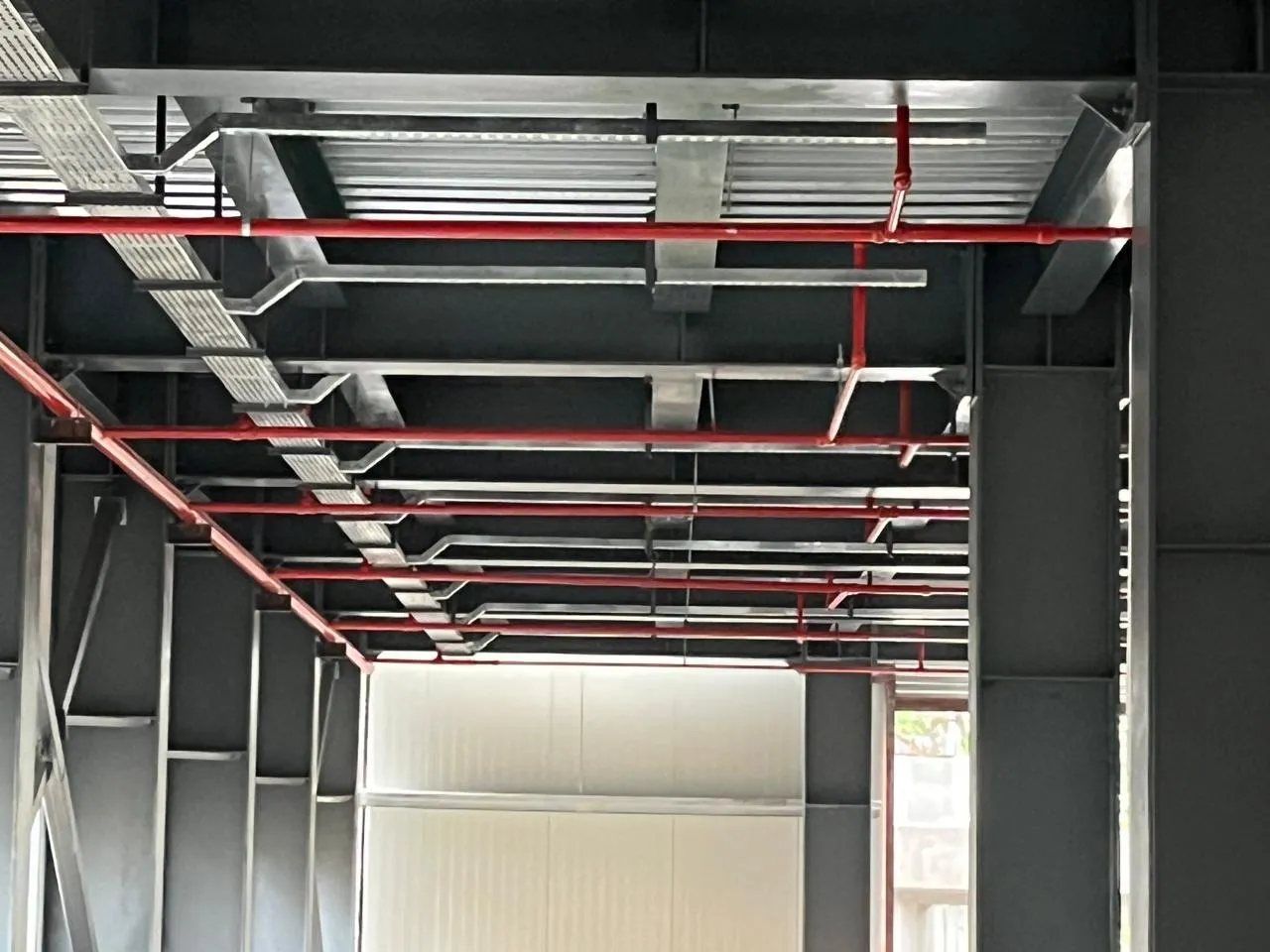
Installation teams should also prevent standing water from collecting inside tray sections. Correct route inclination, drainage, and cover arrangement can reduce prolonged moisture exposure.
A dependable hot-dip perforated cable tray system begins with accurate fabrication and continues through galvanising, inspection, packing, installation, and maintenance. Evaluating the entire system helps Pune project teams achieve durable cable support in exposed locations.
Keywords