

Cable trays provide a continuous supporting pathway for electrical, instrumentation, communication, and control cables. They are used when cables must travel across long routes through factories, commercial buildings, utility areas, and infrastructure facilities.
Unlike enclosed conduits, cable trays keep cables accessible for inspection and modification. This makes them especially useful in projects where electrical layouts may expand as machinery, automation systems, and building services develop.
Main Functions of a Cable Tray System
A cable tray system performs more than a basic supporting role. It helps an installation team:
- Route cables along an organised path
- Separate different cable categories
- Reduce unsupported cable sections
- Improve maintenance accessibility
- Protect cables from accidental movement
- Plan future additions more efficiently
- Maintain cleaner service areas
For manufacturing facilities in Pune, cable trays may carry power cables to machinery, control cables between panels, and data cables supporting industrial automation.
Common Types of Cable Trays
Different tray designs serve different cable loads and installation environments.
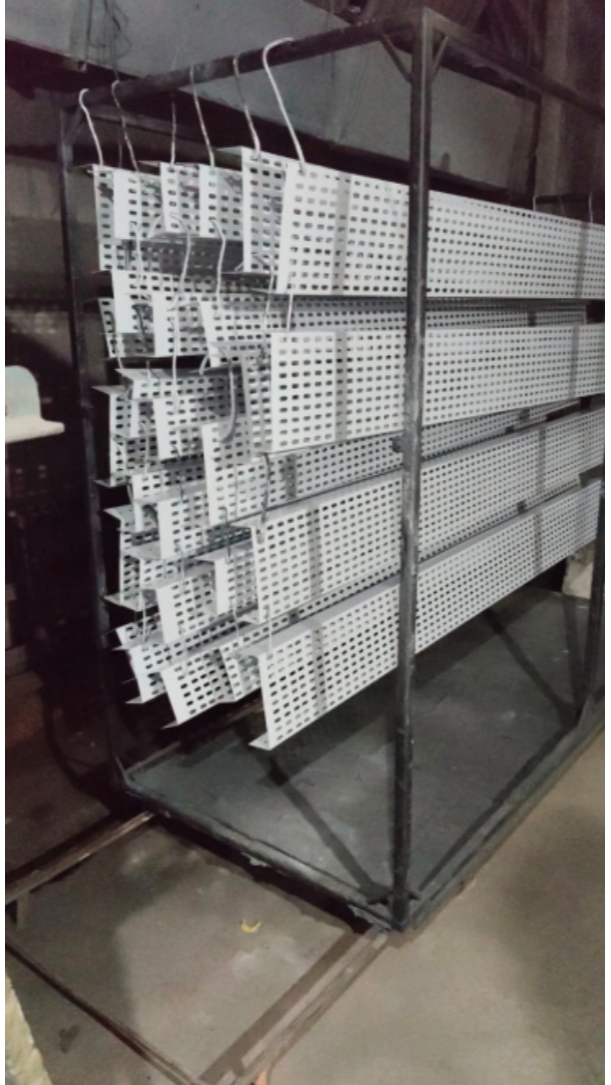
Perforated Cable Trays
These trays have ventilation holes in the base and sides. They are generally used for power, control, and communication cables requiring continuous support.
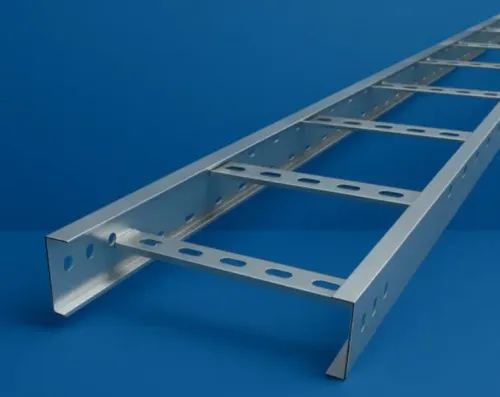
Ladder Type Cable Trays
Ladder trays consist of two side rails connected by transverse rungs. They provide strong support and good ventilation, making them suitable for heavier cables and longer runs.
Wire Mesh Cable Trays
Wire mesh trays have an open-grid construction. They are widely used for data, telecom, and lighter electrical cables, particularly where routes require frequent changes.
Raceway Systems
Raceways offer a more enclosed cable path and are often selected for control wiring, structured cabling, and installations where additional cable protection is required.
A knowledgeable cable tray manufacturer can produce these systems in different sizes, sheet thicknesses, finishes, and load configurations.
How Cable Load Affects Selection
Cable weight is one of the most important design considerations. The tray must support the total cable load without excessive bending between mounting points.
Selection should account for:
- Combined weight of installed cables
- Additional capacity for future cables
- Distance between tray supports
- Number of bends and vertical sections
- Outdoor wind and environmental loads
- Weight of tray covers and accessories
Reducing the number of supports without checking the tray’s load capacity can result in sagging, joint stress, and poor cable alignment.
Cable Separation and Accessibility
Power cables, instrumentation cables, and data cables may need separate routing to control electromagnetic interference and meet project requirements. Dividers or separate trays can be used where necessary.
Accessibility is equally important. A tray installed too close to ceilings, pipes, or structural members may become difficult to inspect. Proper clearance helps technicians add, remove, and trace cables without disturbing nearby services.
Local Requirements in Pune’s Industrial Environment
Pune and nearby industrial regions such as Chakan, Bhosari, Talegaon, Ranjangaon, and Pimpri-Chinchwad include automotive, engineering, pharmaceutical, warehousing, and process-industry facilities. Each environment creates different cable-routing demands.
Indoor installations may use pre-galvanised trays, while exposed locations may require hot-dip galvanised, powder-coated, or stainless-steel systems. Devansh Enterprises supports cable-management requirements across these industrial and commercial applications.
Effective cable tray planning begins with the cable schedule, route drawing, load calculation, and site environment. When these details are evaluated together, the completed system becomes easier to install, inspect, maintain, and expand.